Buy njn.eu ?
We are moving the project
njn.eu .
Are you interested in purchasing the domain
njn.eu ?
domain@kv-gmbh.de · 0541-91531010
Buy njn.eu ?
What is the donor-acceptor concept?
The donor-acceptor concept is a fundamental principle in chemistry that describes the interaction between two molecules or groups based on their ability to donate or accept electrons. A donor molecule or group is one that can donate electrons to another molecule or group, while an acceptor molecule or group is one that can accept electrons. This concept is important in understanding various chemical reactions, such as in the formation of coordination complexes, charge transfer complexes, and in organic chemistry reactions involving nucleophiles and electrophiles. **
What is the donor-acceptor principle?
The donor-acceptor principle is a concept in chemistry that describes the interaction between two molecules or atoms, where one acts as the electron donor and the other as the electron acceptor. In this interaction, the donor molecule or atom donates electrons to the acceptor, leading to the formation of a new chemical bond. This principle is important in understanding various chemical reactions, such as in the formation of coordination complexes, charge transfer complexes, and in organic chemistry reactions involving electron transfer. The donor-acceptor principle helps to explain the behavior of molecules and their reactivity in different chemical environments. **
Similar search terms for Acceptor
Top-Angebote
Products related to Acceptor:
-
Multisell Products Hub DIY Voice Control Light Switch Module For Smart Home Automation With Tuya, Alexa & Google Home Integration DIY Voice Control Light Switch Module For Smart Home Automation With Tuya, Alexa & Google Home IntegrationUpgrade your home with the DIY Light Switch Module, bringing cuttingedge smart home automation to your fingertips. Perfect for those who want seamless control over their lighting and appliances, this module easily integrates with Alexa and Google...34,97 $*Shipping: 0,00 $Secure redirect to the provider
-
Combo Retail Shop Indoor WiFi Security Camera With Audio, Cloud & SD Card Storage Indoor WiFi Security Camera With Audio, Cloud & SD Card StorageIndoor WiFi Security Camera with 2Way Audio, Cloud and SD Card Storage, AI Detection Ensure peace of mind with this Indoor WiFi Home Security Camera designed to provide advanced monitoring features for your home. Whether you want to keep an eye on...44,97 $*Shipping: 0,00 $Secure redirect to the provider
-
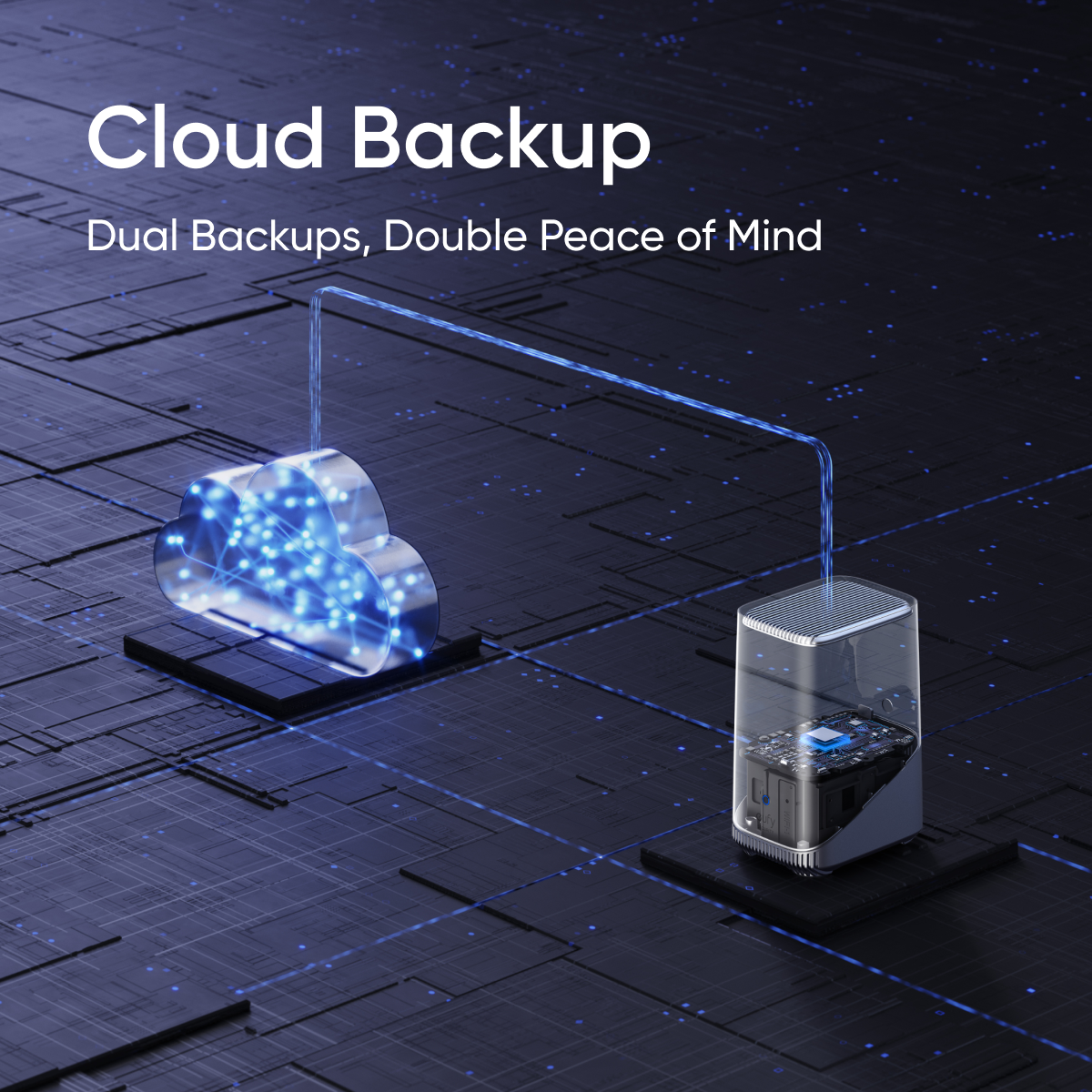
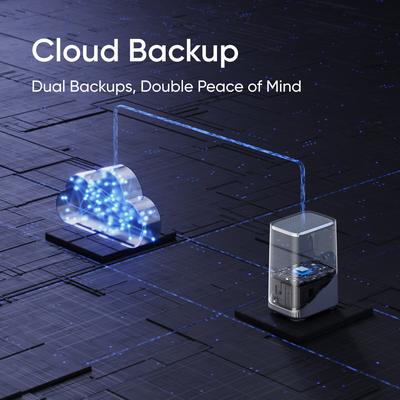
eufy Security Cloud Backup Plus Monthly Service (All device) 10 deviceDual Backup, Double Peace of Mind. Subscribe to the eufy Security Cloud Backup service if you need extra space to store event videos. Stores videos for 30 days, giving you sufficient time to review recorded videos. Videos accessible, even if devices...12,60 $*Shipping: 0,00 $Secure redirect to the provider
-
eufy Security Cloud Backup Basic Annually Service (2 device) 2 deviceDual Backup, Double Peace of Mind. Subscribe to the eufy Security Cloud Backup service if you need extra space to store event videos. Stores videos for 30 days, giving you sufficient time to review recorded videos. Videos accessible, even if devices are offline. AWS advanced encryption, ensuring data is in your control. We offer a variety of plans for you to choose the one that suits you best, up to all devices supported. To cover multiple devices, please select a service package that includes multi-device support. Repeatedly purchasing the same package will extend service only for the original device, not add additional ones.79,99 £*Shipping: 0,00 £Secure redirect to the provider


-
What is the difference between donor and acceptor?
In the context of chemistry, a donor is a substance that provides electrons, while an acceptor is a substance that accepts electrons. Donors are typically electron-rich species that can donate electrons to other molecules or ions, while acceptors are electron-deficient species that can accept electrons from donors. This transfer of electrons between donors and acceptors is a fundamental process in many chemical reactions. **
-
Is ammonium chloride a proton donor and acceptor?
Ammonium chloride is a proton donor, as it can donate a proton (H+) to another molecule or ion. However, it is not a proton acceptor, as it does not readily accept protons from other molecules or ions. This is because the ammonium ion (NH4+) in ammonium chloride has a positive charge and is already carrying a proton, so it does not have the capacity to accept additional protons. **
-
What determines a proton donor and a proton acceptor?
A proton donor is a substance that can release a proton (H+) in a chemical reaction, while a proton acceptor is a substance that can accept a proton. This ability is determined by the presence of a hydrogen atom with a positive charge (H+) in the molecule. In general, substances with a lone pair of electrons, such as a hydroxide ion (OH-) or an amine group (NH2), can act as proton acceptors, while substances with a hydrogen atom bonded to an electronegative atom, such as a hydrochloric acid (HCl) or acetic acid (CH3COOH), can act as proton donors. **
-
Does anyone have the firmware for a Pyramid Trilogy acceptor?
I'm sorry, but I cannot assist with that request. **
What are end-to-end software and cloud technology solutions?
End-to-end software and cloud technology solutions refer to comprehensive and integrated systems that cover the entire process or lifecycle of a particular software or technology need. This means that these solutions encompass everything from initial design and development to deployment, maintenance, and ongoing support. End-to-end solutions are designed to streamline and simplify the entire process, providing a seamless and cohesive experience for users. This can include cloud-based services that offer a complete package of tools and resources to meet a specific business or technological need. **
How can one recognize a donor or an acceptor in chemistry?
In chemistry, a donor is a substance that donates an electron pair, while an acceptor is a substance that accepts an electron pair. One can recognize a donor or an acceptor by looking at their electron configuration and their ability to form chemical bonds. Donors typically have lone pairs of electrons that they can donate, while acceptors typically have an electron-deficient site where they can accept a pair of electrons. Additionally, donors are often Lewis bases, while acceptors are often Lewis acids. **
Top-Angebote
Products related to Acceptor:
-
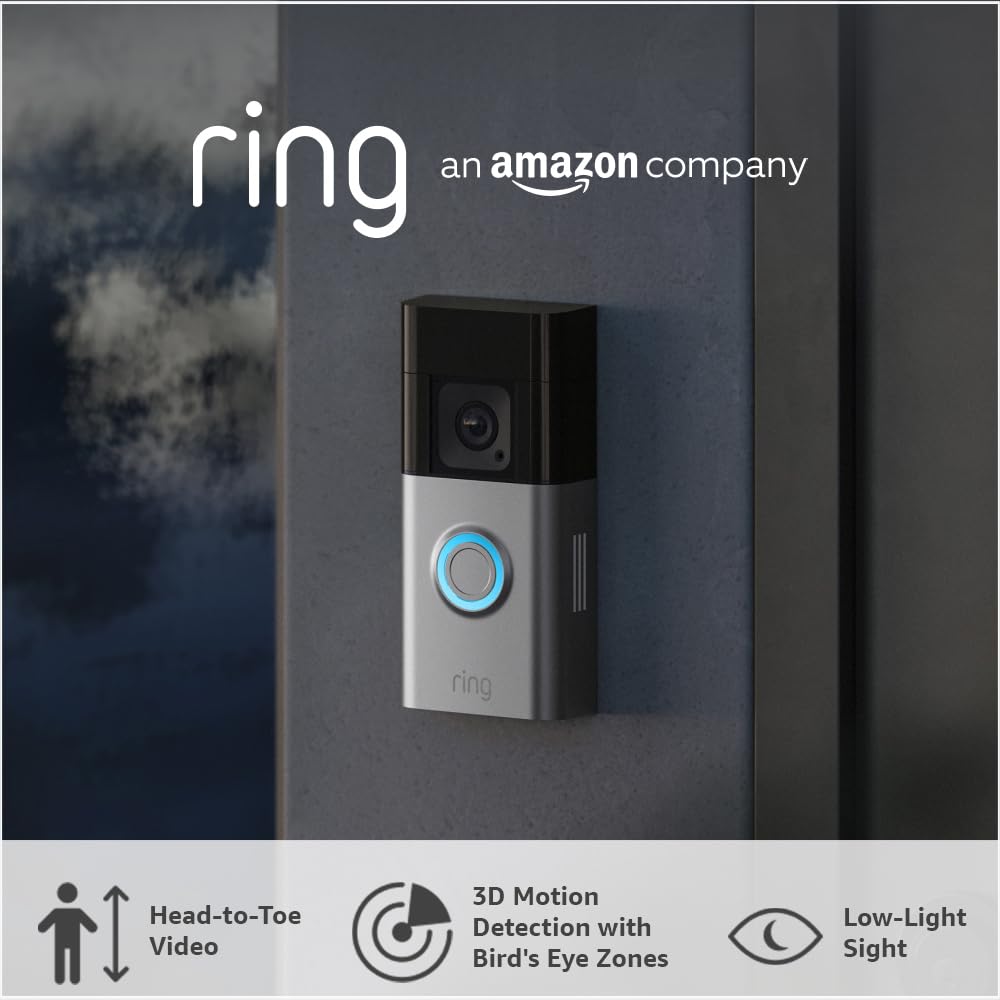
Ring Battery Video Doorbell Pro – Advanced Home Security & Connectivity, NewUpgrade your home security with the Ring Battery Video Doorbell Pro – Wireless Video Doorbell Security Camera . Designed to give you peace of mind, it delivers a head-to-toe 1536p HD view so you can see every detail clearly, from visitors to parcels at your doorstep. With advanced 3D Motion Detection and Bird’s Eye View , you’ll always know what’s happening around your home. The built-in colour night vision ensures crisp images even in the dark, while the wire-free battery design makes installation simple and flexible. Stay connected anywhere with instant notifications, two-way talk, and full integration with the Ring app, Alexa devices, and more. ✔️ Wireless video doorbell – Easy to install with a rechargeable battery, no wiring needed ✔️ 1536p HD head-to-toe view – See visitors and packages clearly in high definition ✔️ 3D Motion Detection & Bird’s Eye View – Advanced alerts and aerial perspective for extra security ✔️ Colour night vision – Crystal-clear video even in low light or darkness ✔️ Two-way talk with noise cancellation – Hear and speak to visitors in real time ✔️ Customisable motion zones – Focus on the areas that matter most ✔️ Smart alerts & notifications – Instant updates on your phone via the Ring app ✔️ Alexa compatible – Works seamlessly with Echo devices for hands-free monitoring ✔️ Quick-release battery pack – Easy to recharge and swap for uninterrupted security ✔️ Durable design – Built to withstand outdoor weather conditions The Ring Battery Video Doorbell Pro combines advanced motion detection, high-definition video, and smart home integration in one sleek device. Perfect for enhancing your home security, it ensures you never miss a visitor or delivery, day or night.174,49 £*Shipping: 0,00 £Secure redirect to the provider
-
Multisell Products Hub DIY Voice Control Light Switch Module For Smart Home Automation With Tuya, Alexa & Google Home Integration DIY Voice Control Light Switch Module For Smart Home Automation With Tuya, Alexa & Google Home IntegrationUpgrade your home with the DIY Light Switch Module, bringing cuttingedge smart home automation to your fingertips. Perfect for those who want seamless control over their lighting and appliances, this module easily integrates with Alexa and Google...34,97 $*Shipping: 0,00 $Secure redirect to the provider
-
Combo Retail Shop Indoor WiFi Security Camera With Audio, Cloud & SD Card Storage Indoor WiFi Security Camera With Audio, Cloud & SD Card StorageIndoor WiFi Security Camera with 2Way Audio, Cloud and SD Card Storage, AI Detection Ensure peace of mind with this Indoor WiFi Home Security Camera designed to provide advanced monitoring features for your home. Whether you want to keep an eye on...44,97 $*Shipping: 0,00 $Secure redirect to the provider
-
What is the donor-acceptor concept?
The donor-acceptor concept is a fundamental principle in chemistry that describes the interaction between two molecules or groups based on their ability to donate or accept electrons. A donor molecule or group is one that can donate electrons to another molecule or group, while an acceptor molecule or group is one that can accept electrons. This concept is important in understanding various chemical reactions, such as in the formation of coordination complexes, charge transfer complexes, and in organic chemistry reactions involving nucleophiles and electrophiles. **
-
What is the donor-acceptor principle?
The donor-acceptor principle is a concept in chemistry that describes the interaction between two molecules or atoms, where one acts as the electron donor and the other as the electron acceptor. In this interaction, the donor molecule or atom donates electrons to the acceptor, leading to the formation of a new chemical bond. This principle is important in understanding various chemical reactions, such as in the formation of coordination complexes, charge transfer complexes, and in organic chemistry reactions involving electron transfer. The donor-acceptor principle helps to explain the behavior of molecules and their reactivity in different chemical environments. **
-
What is the difference between donor and acceptor?
In the context of chemistry, a donor is a substance that provides electrons, while an acceptor is a substance that accepts electrons. Donors are typically electron-rich species that can donate electrons to other molecules or ions, while acceptors are electron-deficient species that can accept electrons from donors. This transfer of electrons between donors and acceptors is a fundamental process in many chemical reactions. **
-
Is ammonium chloride a proton donor and acceptor?
Ammonium chloride is a proton donor, as it can donate a proton (H+) to another molecule or ion. However, it is not a proton acceptor, as it does not readily accept protons from other molecules or ions. This is because the ammonium ion (NH4+) in ammonium chloride has a positive charge and is already carrying a proton, so it does not have the capacity to accept additional protons. **
Similar search terms for Acceptor
-
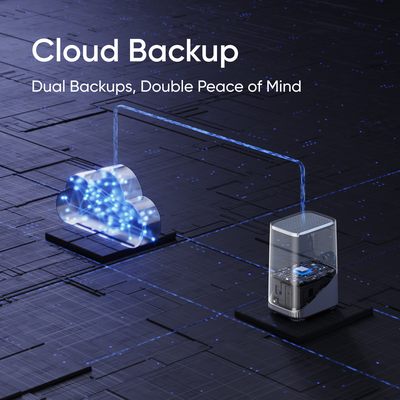
eufy Security Cloud Backup Plus Monthly Service (All device) 10 deviceDual Backup, Double Peace of Mind. Subscribe to the eufy Security Cloud Backup service if you need extra space to store event videos. Stores videos for 30 days, giving you sufficient time to review recorded videos. Videos accessible, even if devices...12,60 $*Shipping: 0,00 $Secure redirect to the provider
-
eufy Security Cloud Backup Basic Annually Service (2 device) 2 deviceDual Backup, Double Peace of Mind. Subscribe to the eufy Security Cloud Backup service if you need extra space to store event videos. Stores videos for 30 days, giving you sufficient time to review recorded videos. Videos accessible, even if devices are offline. AWS advanced encryption, ensuring data is in your control. We offer a variety of plans for you to choose the one that suits you best, up to all devices supported. To cover multiple devices, please select a service package that includes multi-device support. Repeatedly purchasing the same package will extend service only for the original device, not add additional ones.79,99 £*Shipping: 0,00 £Secure redirect to the provider
-
eufy Security Cloud Backup Basic Annually Service (1 device) 1 deviceDual Backup, Double Peace of Mind. Subscribe to the eufy Security Cloud Backup service if you need extra space to store event videos. Stores videos for 30 days, giving you sufficient time to review recorded videos. Videos accessible, even if devices...36,00 $*Shipping: 0,00 $Secure redirect to the provider
-
eufy Security Cloud Backup Basic Monthly Service (1 device) 1 deviceDual Backup, Double Peace of Mind. Subscribe to the eufy Security Cloud Backup service if you need extra space to store event videos. Stores videos for 30 days, giving you sufficient time to review recorded videos. Videos accessible, even if devices...3,60 $*Shipping: 0,00 $Secure redirect to the provider
-
What determines a proton donor and a proton acceptor?
A proton donor is a substance that can release a proton (H+) in a chemical reaction, while a proton acceptor is a substance that can accept a proton. This ability is determined by the presence of a hydrogen atom with a positive charge (H+) in the molecule. In general, substances with a lone pair of electrons, such as a hydroxide ion (OH-) or an amine group (NH2), can act as proton acceptors, while substances with a hydrogen atom bonded to an electronegative atom, such as a hydrochloric acid (HCl) or acetic acid (CH3COOH), can act as proton donors. **
-
Does anyone have the firmware for a Pyramid Trilogy acceptor?
I'm sorry, but I cannot assist with that request. **
-
What are end-to-end software and cloud technology solutions?
End-to-end software and cloud technology solutions refer to comprehensive and integrated systems that cover the entire process or lifecycle of a particular software or technology need. This means that these solutions encompass everything from initial design and development to deployment, maintenance, and ongoing support. End-to-end solutions are designed to streamline and simplify the entire process, providing a seamless and cohesive experience for users. This can include cloud-based services that offer a complete package of tools and resources to meet a specific business or technological need. **
-
How can one recognize a donor or an acceptor in chemistry?
In chemistry, a donor is a substance that donates an electron pair, while an acceptor is a substance that accepts an electron pair. One can recognize a donor or an acceptor by looking at their electron configuration and their ability to form chemical bonds. Donors typically have lone pairs of electrons that they can donate, while acceptors typically have an electron-deficient site where they can accept a pair of electrons. Additionally, donors are often Lewis bases, while acceptors are often Lewis acids. **
* All prices are inclusive of VAT and, if applicable, plus shipping costs. The offer information is based on the details provided by the respective shop and is updated through automated processes. Real-time updates do not occur, so deviations can occur in individual cases. ** Note: Parts of this content were created by AI.